August 18, 2026
Tree management forms a critical cornerstone of residential property care, municipal planning, and commercial landscape maintenance. Deciding whether to keep or extract a mature tree requires balancing biological health, human safety, environmental conservation, and financial realities. While trees offer immense aesthetic value, shade, and ecological benefits, a compromised or improperly situated specimen can quickly transform from a treasured asset into a severe hazard. Homeowners and property managers often face complex decisions when assessing aging or damaged foliage. Understanding the multi-faceted criteria behind professional arboricultural evaluations empowers property owners to make proactive, well-informed choices that protect both human life and real estate investments.
Assessing Tree Health and Structural Integrity
A comprehensive evaluation begins with an examination of biological health, focusing on visible signs of systemic disease, fungal infections, and pest infestations. Trees are susceptible to a wide variety of pathogens, including root rot, vascular wilts, and trunk cankers, which weaken wood structure from the inside out. Symptoms such as premature leaf drop, canopy thinning, discolored foliage, and unusual bark peeling often point to underlying physiological distress. When wood-boring insects or severe fungal decay attack the heartwood, the tree loses its primary support mechanism. In severe instances where decay encompasses a significant percentage of the trunk cross-section, complete tree removal becomes the only responsible mechanism to prevent catastrophic failure.
Structural integrity goes beyond biological disease and encompasses the mechanical stability of the trunk, root system, and major scaffold branches. Co-dominant trunks with included bark, deep longitudinal cracks, cavities, and pronounced leaning are all structural defects that heighten the risk of total tree collapse. Roots anchored in compacted or saturated soils may fail to support heavy canopies during high-wind events. Certified arborists utilize diagnostic techniques, such as resistance drilling and sonic tomography, to measure internal decay without harming the tree unnecessarily. When structural faults endanger structural stability beyond the help of cabling or bracing, professional intervention is paramount.
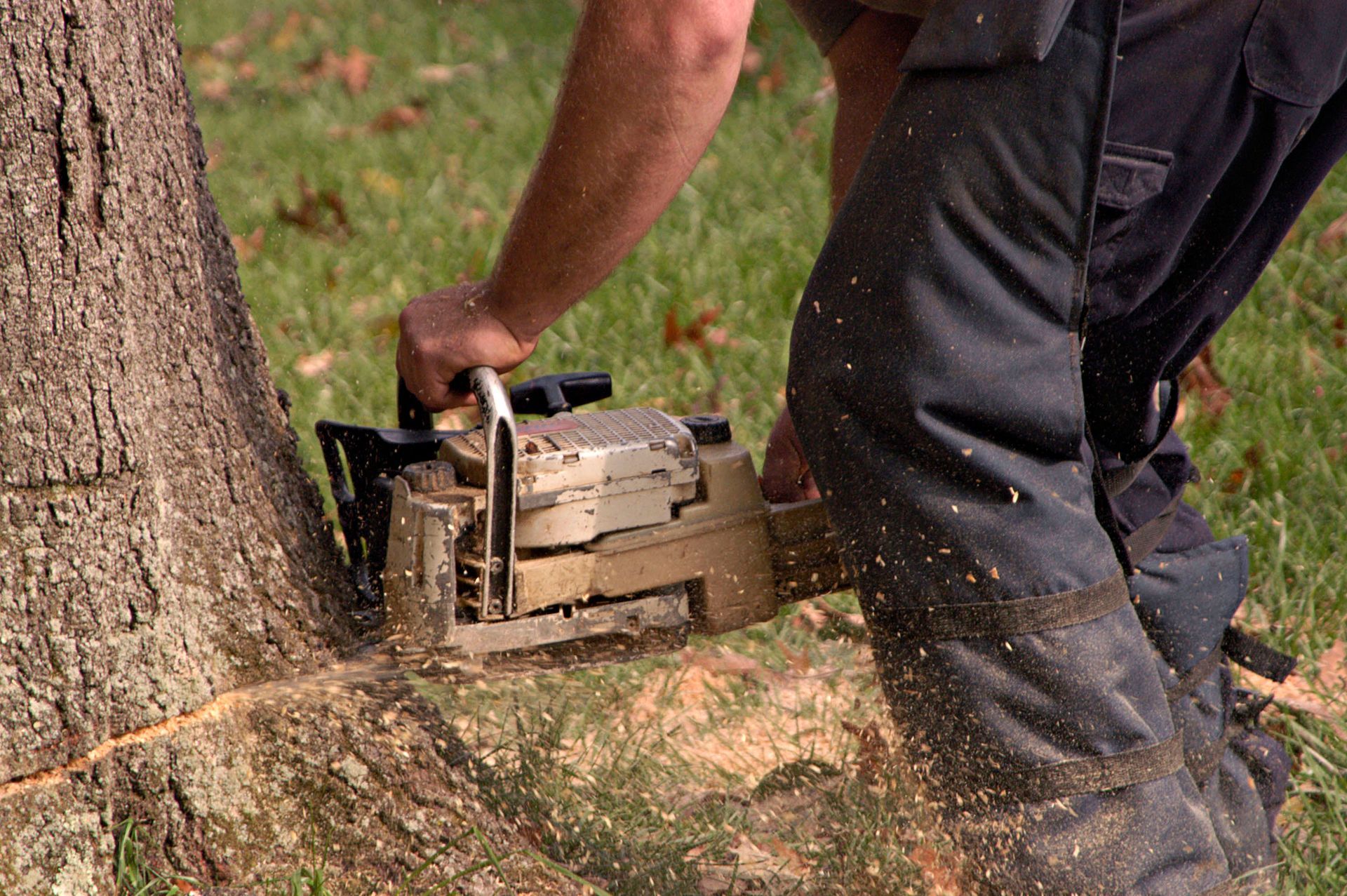
Proper pruning techniques play an important role in maintaining structural balance before severe decay takes hold. According to Almanac, to cut any branch over 1-1/2 inches in diameter, you must use a pruning saw or bow saw to make a 3-part cut. Executing these precise horticultural cuts prevents bark stripping and allows the tree to form natural calluses over wounds. However, when improper pruning practices, severe storm damage, or chronic neglect lead to widespread decay throughout primary limbs, selective branch trimming may no longer resolve the overarching hazard, necessitating a full extraction strategy.
Evaluating Safety Hazards Around Properties
Safety considerations represent one of the most frequent catalysts for major arborist interventions. Trees growing in immediate proximity to residential homes, commercial buildings, or public sidewalks pose continuous operational risks if left unmanaged. Overhanging limbs can break under the weight of accumulated snow, ice, or high winds, dropping directly onto roofs, vehicles, or outdoor living spaces. Furthermore, aggressive root systems can intrude into building foundations, crack retaining walls, and lift concrete walkways, creating tripping hazards and causing extensive structural damage that requires costly engineering repairs.
Utility infrastructure interference is another urgent safety hazard that demands prompt attention. Tree branches growing into overhead power lines create high-voltage fire risks, cause electrical brownouts, and endanger utility crews during emergency repairs. Underground root systems can similarly destabilize subterranean water, sewer, and gas lines, leading to service disruptions and environmental contamination. While utility companies frequently trim branches around power corridors, severe interference or structural instability near high-voltage lines often warrants complete tree removal to maintain public safety and preserve continuous power delivery to nearby communities.
Managing Environmental and Ecological Changes
Environmental conditions surrounding a tree directly influence its long-term survival and stability. Soil erosion, shifting water tables, and urban development alter the delicate subterranean balance that roots rely on for anchor support and nutrient intake. Severe soil loss around the base of a slope can expose major lateral roots, undermining physical anchorage and increasing the likelihood of uprooting. Conversely, rising water tables or prolonged localized flooding can drown root systems by eliminating oxygen from soil pores, leading to rapid anaerobic decay and tree decline.
Urbanization introduces severe environmental stressors, including soil compaction from construction machinery, altered drainage patterns, chemical runoff, and restricted root zones beneath asphalt and concrete. Trees forced to adapt to confined urban spaces often exhibit stunted growth, crown dieback, and heightened vulnerability to opportunistic pests. As municipal development expands, land managers must continuously evaluate whether existing mature trees can adapt to dramatically changed surrounding conditions or if replacement with climate-resilient, urban-tolerant species is necessary for long-term ecological balance.
Ecological considerations also require balancing human safety with wildlife conservation. Mature and decaying trees frequently serve as vital nesting sites, shelter, and food sources for birds, mammals, and beneficial insects. Whenever feasible, arborists evaluate whether dead or dying trees located away from human targets can be safely converted into habitat snags rather than fully extracted. However, when a decaying tree is located within striking distance of homes, roads, or gathering areas, human safety must take precedence, requiring complete tree removal followed by the planting of native saplings to restore local wildlife habitat.
Balancing Landscape Aesthetics and Density
Landscape architecture relies on harmonious proportions, visual balance, and appropriate plant density to maintain thriving outdoor environments. Over time, trees planted too closely together compete aggressively for sunlight, soil moisture, and essential soil nutrients. This intense competition often leads to asymmetrical canopy growth, sparse foliage, suppressed growth rates, and weakened root systems across all overcrowded trees. Selective thinning of dense stands improves air circulation and light penetration, allowing remaining trees to develop full, healthy, and structurally resilient canopies.
Aesthetic considerations also involve addressing nuisance factors and property value impacts. Certain tree species shed large volumes of sap, seedpods, heavy fruit, or invasive suckers that disrupt lawns, stain hardscapes, and clog drainage gutters. Furthermore, an overgrown, unmaintained, or dying tree significantly detracts from a property's curb appeal and overall market valuation. Strategic extraction of ill-placed or unsightly specimens creates space for modern landscape designs, solar panel installation, turf grass establishment, or the introduction of ornamental plant species better suited to the site.
Navigating Legal, Regulatory, and Economic Considerations
Legal and regulatory frameworks govern major landscape alterations across most municipalities. Local tree protection ordinances often restrict the extraction of heritage trees, protected native species, or trees situated within designated wetland buffers without municipal permits. Violating these ordinances can result in substantial fines, legal mandates for mature tree replacement, and delayed construction projects. Engaging with local planning boards, obtaining required permits, and adhering to municipal tree preservation guidelines ensure that property owners remain compliant with municipal law.
Homeowner associations (HOAs) and neighbor property boundaries introduce additional legal complexities. Boundary trees, those whose trunks span property lines, require joint agreement between landowners before major modifications or extractions can occur. Additionally, property owners face strict liability if a known hazardous tree on their land falls and damages adjacent property or injures individuals. Professional evaluations provide written documentation that establishes proactive care, protecting land managers from potential negligence claims and supporting insurance claims when unexpected weather damage occurs.
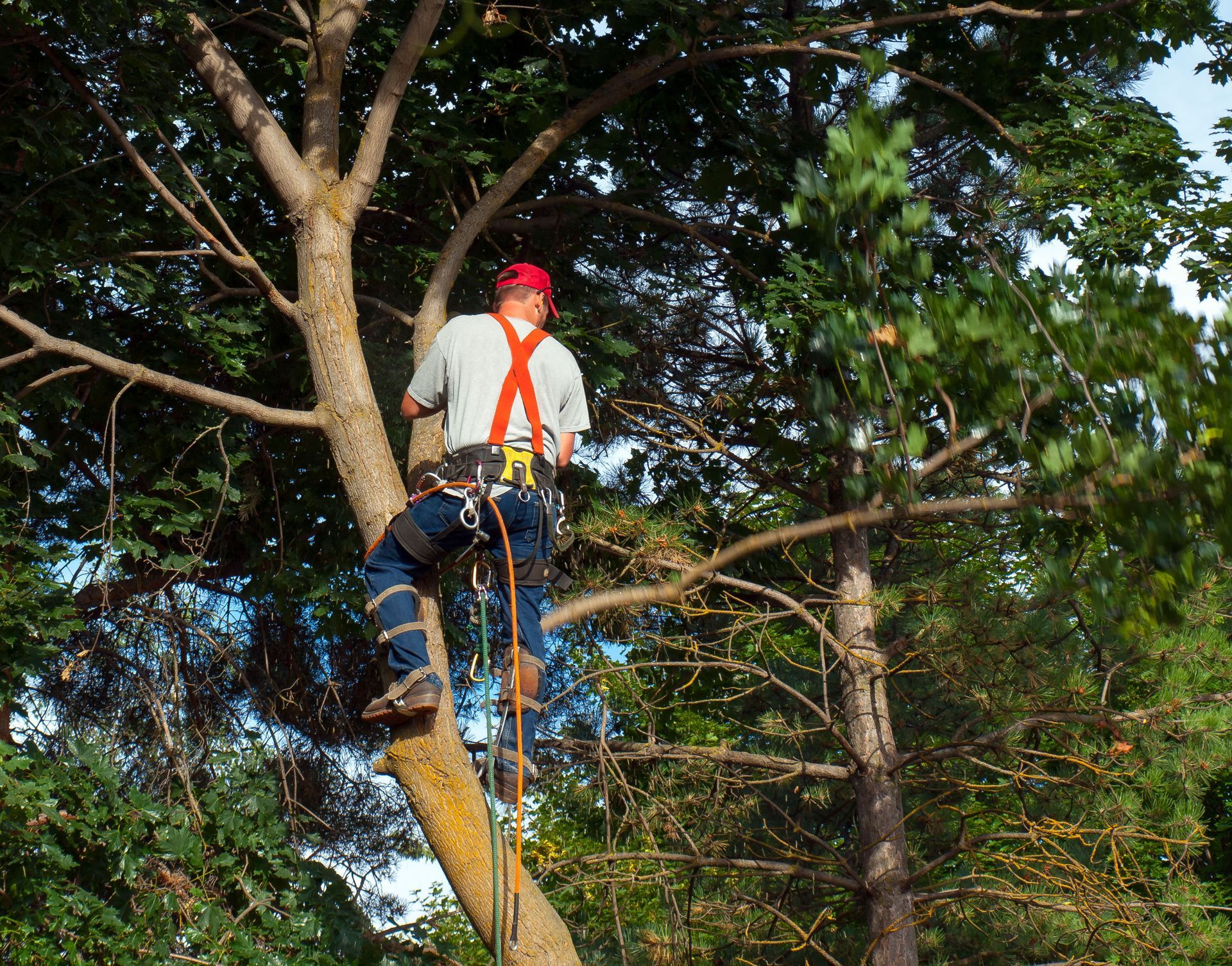
Careful evaluation of biological health, safety risks, environmental factors, landscape aesthetics, and legal guidelines ensures that property owners make responsible choices regarding their urban forests. Professional arborists provide essential guidance throughout this process, utilizing specialized tools and knowledge to protect both human life and property value. By balancing conservation goals with practical safety needs, property managers maintain vibrant, sustainable landscapes that enhance community well-being and environmental health. For more information about the services that we offer, reach out to our incredible team at Meca Tree Service today!