October 26, 2026
Understanding the differences between tree removal and tree trimming is crucial for maintaining healthy landscapes. Each process serves unique purposes and requires careful consideration to ensure the well-being of your property and its greenery. This article explores when and why both tree removal and tree trimming are necessary, highlighting key aspects of these essential landscaping practices.
Tree Removal
Definition and Purpose
Tree removal refers to the process of completely eliminating a tree from its location. This process is usually carried out when a tree poses a significant risk to structures or human safety. Its primary purposes include preventing damage, eliminating hazards, and addressing overcrowded landscapes.
Removal is often necessary when trees are diseased beyond treatment, have died, or have grown too large for their assigned space. It involves strategic planning to ensure it does not affect surrounding vegetation and property. Skilled professionals use specialized tools and techniques to execute the removal safely and efficiently.
The ultimate goal of tree removal is to protect property and people, while also making space for new growth. When done correctly, removal can enhance the overall health of surrounding plants by reducing competition for sunlight, water, and nutrients. Professional arborists recommend assessing the need for removal periodically to maintain a healthy ecosystem.
Common Reasons for Tree Removal
There are several common reasons why tree removal might be necessary. Disease and pest infestations can severely weaken trees, making them extremely hazardous. Trees that are significantly leaning or have suffered storm damage may pose a risk to homes and power lines, necessitating removal for safety reasons.
Additionally, overgrown trees that interfere with structures or infrastructure may need to be removed. This is particularly crucial in urban settings where space is limited. Dead or dying trees not only detract from the aesthetic appeal of a landscape but can also become breeding grounds for pests that might spread to healthier vegetation.
Removal can also be a part of landscaping changes, allowing for redesigns or new plantings. In some cases, it might be required to clear an area for construction or to address regulatory concerns. Each situation requires a thorough assessment to identify the most responsible course of action.
Impact on Property Value
Trees significantly influence property aesthetics and market value. While a mature, healthy tree can elevate a property's appeal, hazardous or unsightly trees can have the opposite effect. Understanding how tree removal could impact property value is essential for homeowners and developers alike.
A well-maintained landscape that incorporates strategic tree removal can provide clear views and enhance the home's appearance, thus boosting its value. Conversely, neglecting necessary removals might lead to damage from falling branches or roots, potentially decreasing market worth. Prospective buyers often consider these factors during property evaluations.
Additionally, a realtor will often advise removal when trees impede natural light from entering the home, affecting living conditions and energy efficiency. Proper planning ensures that property aesthetics are maintained without compromising safety and structural integrity. Thus, tree removal must be approached with careful foresight.
Tree Trimming
Definition and Purpose
Tree trimming, also known as pruning, involves the selective removal of specific branches or parts of a tree. The primary goal of trimming is to promote healthier growth, enhance aesthetic appeal, and eliminate any hazardous elements from the tree. Unlike removal, trimming involves maintaining the tree's overall structure and form.
This practice is crucial for encouraging new growth, improving air circulation, and allowing light to penetrate through the canopy. Proper trimming ensures that trees receive ample nutrients from their roots without overexerting their resources on unnecessary growth. It is, therefore, essential for maintaining the vitality and beauty of trees.
Beyond health and aesthetics, trimming helps prevent potential damage during storms by fortifying the tree's structure. According to Tree Works, there are seven different pruning techniques used to achieve various objectives, including thinning, reduction, and dead-wooding. Each technique is tailored to specific needs, ensuring that the tree continues to thrive.
Benefits for Tree Health
Trimming offers numerous health benefits, directly contributing to the tree's longevity and vitality. By removing diseased or infested branches, it prevents the spread of pests and diseases. This results in a robust tree less susceptible to adverse conditions.
Additionally, trimming enhances a tree's structural integrity, preventing limb breakage and minimizing risk during harsh weather conditions. It also helps in removing any crossing branches that can sap nutrients and moisture, allowing the tree to allocate its resources more efficiently. Regular trimming can significantly reduce maintenance costs in the long run.
Another benefit is the stimulation of new growth, which increases foliage density, enhancing the tree's appearance and ecological contributions. Trimming also ensures that the tree's branches are balanced, preventing any abnormalities or uneven growth patterns. Overall, tree health is vastly improved through careful trimming practices.
Best Practices for Trimming
Tree trimming requires adherence to best practices for the well-being and safety of both the tree and its surroundings. The first step is identifying the goal of trimming, whether for health, aesthetics, or safety. This will guide the choice of techniques and tools used in the process.
It is crucial to use sharp, clean tools to make precise cuts, reducing damage to the tree and minimizing the risk of infections. Recognizing which branches to prune is important; dead, diseased, or damaged branches should be prioritized. It is also vital to trim in a way that maintains the natural shape of the tree and allows for sustainable growth.
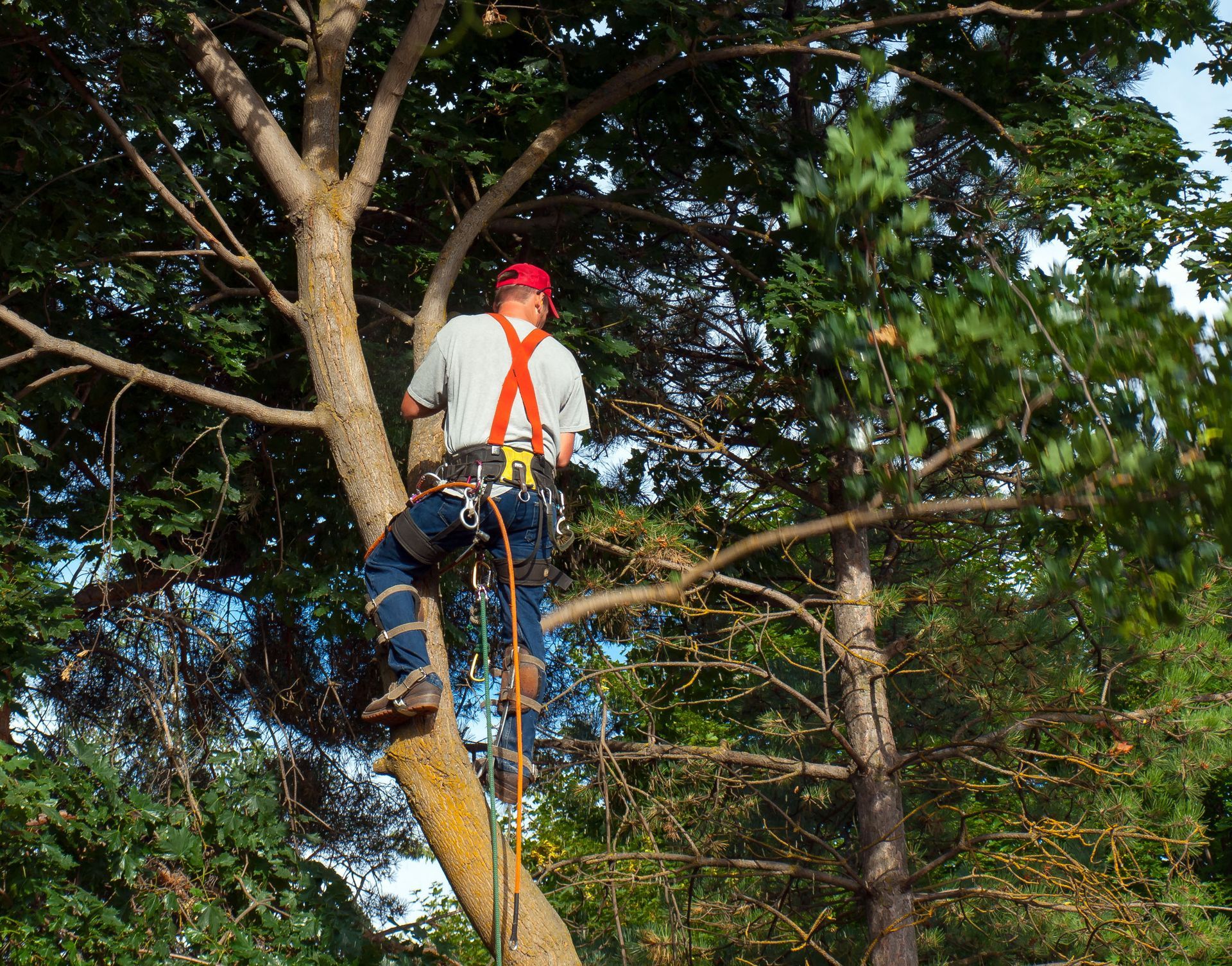
Safety should always be a concern during trimming. Proper personal protective equipment and adherence to safety protocols reduce risks of accidents. Engaging professional arborists is recommended for large or complex trimming projects to ensure that best practices are followed and safety is upheld. A well-pruned tree is not just a beautiful sight but also a testament to effective care and management.
Methodologies and Tools
Tools Required for Tree Removal
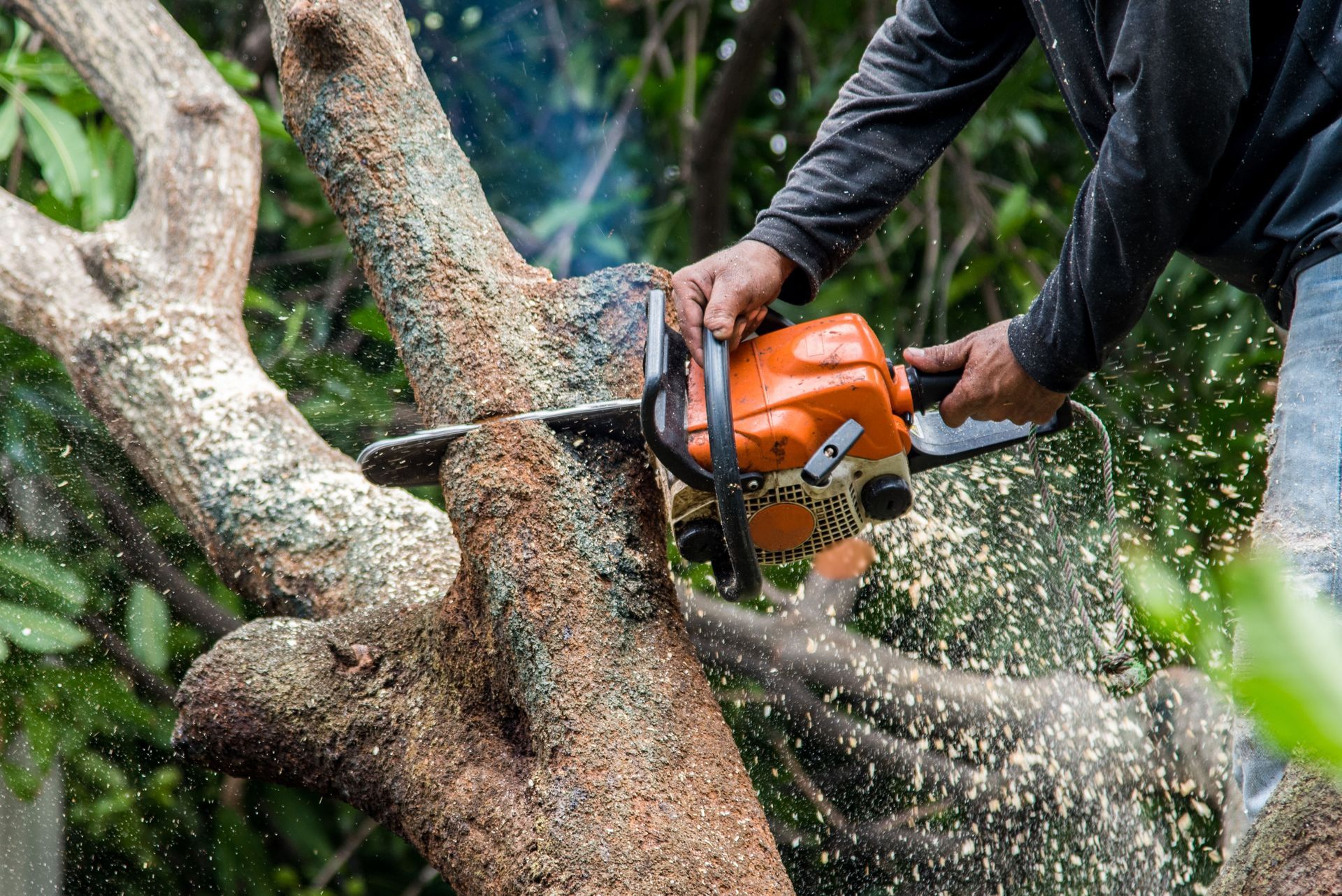
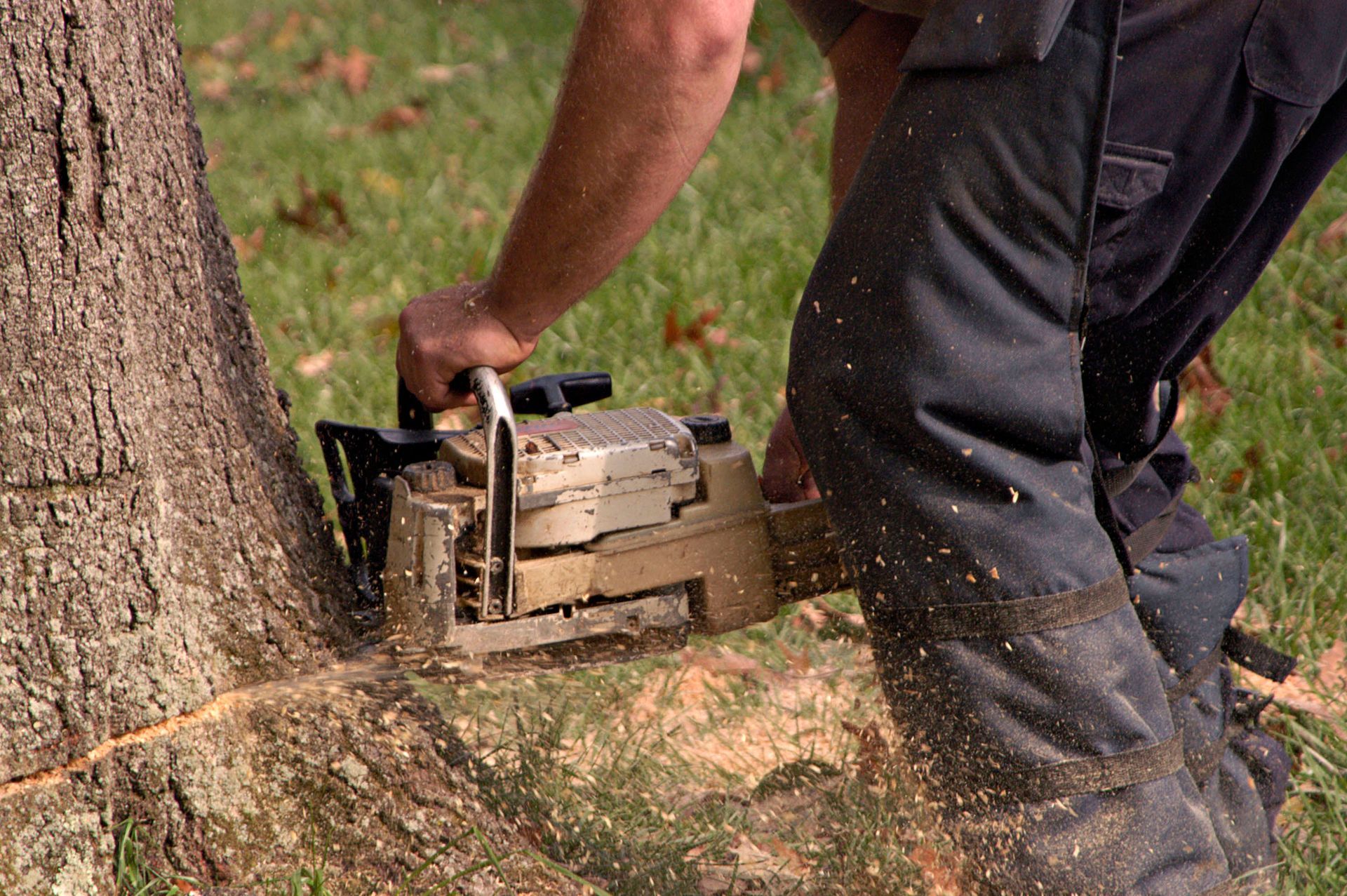
Tree removal involves a range of tools designed to safely and efficiently eliminate trees from landscapes. Chainsaws are the most common tools, suitable for cutting through thick trunks and branches. They are available in various sizes, depending on the scale and complexity of the removal project.
Additional equipment may include axes, wedges, and ropes, particularly for controlling the fall direction of larger trees. In certain circumstances, heavy machinery like cranes may be used to handle large or precariously located trees. Each tool serves a distinct purpose and must be used with skill and caution.
Protective gear is non-negotiable, ensuring the safety of those involved in the removal process. Eye protection, helmets, and cut-resistant clothing are essential to guard against accidents. Given the complexity of using these tools, hiring professionals is often advantageous to ensure safe and effective tree removal.
Equipment for Tree Trimming
Trimming tools are specialized to make precise cuts and facilitate healthy growth. Pruners and loppers are designed for cutting smaller branches, with pruners handling diameters of one inch or less. Loppers extend the reach to branches that pruners cannot manage.
For larger branches, saws are used, available in both manual and powered versions. Pole saws are valuable for trimming higher branches without the need for a ladder, providing both safety and convenience. Each tool requires maintenance to ensure sharpness and effectiveness.
Like removal, tree trimming demands safety gear to protect the individual from cuts and falls. Gloves, protective eyewear, and helmets form the basic protective kit. Professional services may use advanced equipment such as hydraulic lifts to enhance precision and safety in trimming overhead limbs.
Tree removal and trimming can both impact your landscape's health significantly. While removal involves the complete extraction of a tree, trimming focuses on selectively removing parts of the tree to promote growth and aesthetic appeal. Knowing when to apply either process can help maintain your property's beauty and ecological balance. IF you need
tree removal or trimming, reach out to Meca Tree Service today!